 FourFaith IoT
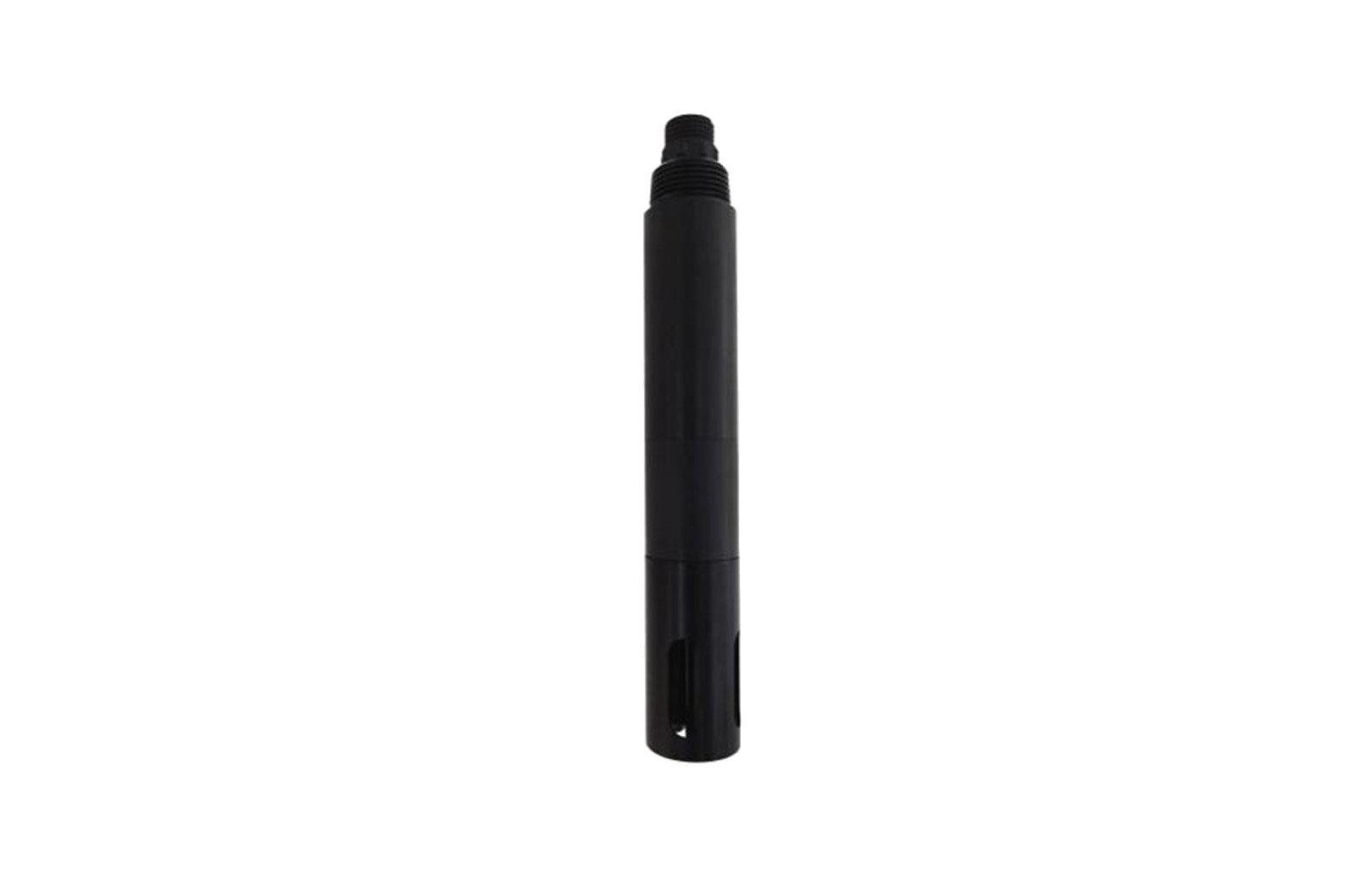
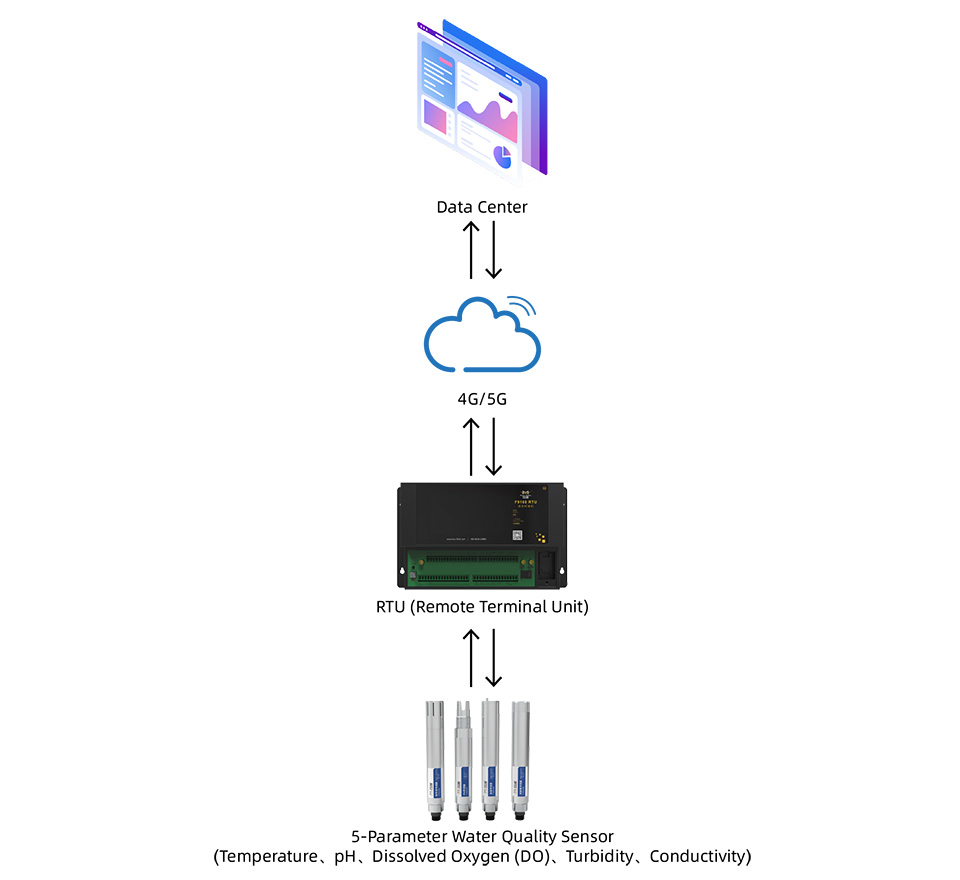
Measures ammonia-nitrogen concentration in water using the ion electrode method; simultaneously records water temperature and automatically compensates for it; two-point calibration using standard solutions for zero and slope; Modbus read/write of real-time ammonia-nitrogen and temperature data; allows modification of the device’s communication address and switching of baud rate; supports temperature offset correction.
An optional 4–20 mA analogue output module is available; customised cable lengths are supported.
The F-IWQ1505 utilises a PVC-membrane ammonium-selective electrode method and features a built-in Pt100 temperature compensation unit. It offers three measurement ranges to accommodate water bodies of varying concentrations, with RS485 Modbus output as standard and an optional 4–20 mA analogue signal;The design featuring a stable, slow-release reference solution extends the service life of the electrodes. It comes with a complete set of calibration consumables and a standardised two-point calibration process, effectively reducing operational and maintenance costs associated with frequent electrode replacement and repeated on-site calibration over the long term.
Slow-release microporous salt bridge reference system ensures a stable reference solution flow rate, resulting in a longer electrode service life compared to conventional industrial electrodes;Three measurement ranges comprehensively cover everything from low-concentration surface water to high-concentration sewage, catering to a wide range of ammonia-nitrogen monitoring requirements for various water bodies;Corrosion-resistant composite housing made of ABS/PVC/POM with IP68 fully sealed protection, suitable for long-term submersion;3/4 NPT standard thread, supporting various installation methods including side-wall, pipework, tank and submersible mounting; an installation angle of ≥15° is sufficient;Standard Modbus RTU bus, with optional 4–20 mA output, compatible with PLCs, industrial PCs and monitoring terminals worldwide;Low-power 0.2W design, suitable for remote solar-powered water quality monitoring stations without mains electricity;Supplied with a complete set of calibration and activation solutions, allowing electrode activation and calibration to be completed straight out of the box;Clear reference parameters for interfering ions, enabling the avoidance of measurement errors in water bodies with high levels of impurities.
| Measurement parameters | Ammonia-nitrogen in water, water temperature | Ammonia-nitrogen range | 0–10 mg/L / 0–100 mg/L / 0–1000 mg/L (three selectable ranges) |
|---|---|---|---|
| Ammonia-nitrogen accuracy | 0–10/100 mg/L: ±10% of reading or ±1 mg/L (whichever is greater); 0–1000 mg/L: ±10% of reading | Ammonia-nitrogen resolution | 0.01 mg/L for 0–10/100 mg/L; 0.1 mg/L for 0–1000 mg/L |
| Lower detection limit | 0.09 mg (low range), 0.9 mg (high range) | Temperature range | 0–40 °C; temperature measurement accuracy: ±0.5 °C; resolution: 0.1 °C |
| Response time T90 | <60 s | Interface type | Standard 4-pin M16 waterproof RS485 aviation connector; optional 4–20 mA output |
| Communication protocol | RS485 Modbus RTU, default 9600 8N1 | Power supply and power consumption | DC 12–24 V, total power consumption 0.2 W @ 12 V |
| Protection rating | IP68, pressure rating < 0.1 MPa | Operating conditions | Water temperature 0–40 °C, water pH 4–10; storage -5–65 °C |
Online monitoring of ammonia-nitrogen in river and surface water, aquaculture, municipal sewage, industrial effluent and water from water treatment works.
A Remove the protective cap, soak in clean water for 2 hours to activate the electrode, then rinse before proceeding with calibration and measurement; if left unused for an extended period, store in a dry place with the protective cap fitted.
A First, use a low-concentration standard solution and allow it to stand for 5 minutes to complete zero-point calibration; then switch to a high-concentration standard solution, allow it to stabilise for 5 minutes, and perform slope calibration.
A Horizontal or inverted installation is prohibited; the overall tilt angle of the sensor must be ≥15° to prevent measurement drift caused by abnormal flow of the internal reference solution.
Send your project parameters, our engineers reply within 24 hours.
Get Free Quote